Author | Speaker | Marketing Mentor

“As a marketing consultant on Wall Street, I helped investment firms attract big money. Over the span of my career, I discovered my investment marketing method was perfect for bottom-up social change. I tested my method in Africa, and it worked.”

The sign on my door reads “Let’s go bottom-up.”

What does that mean? It’s about using your privilege and resources to support those with fewer opportunities. It’s about showing up where the need is greatest and helping build a fairer world.

The idea came to me whole: Go to Africa, find a village and start a microlending program.

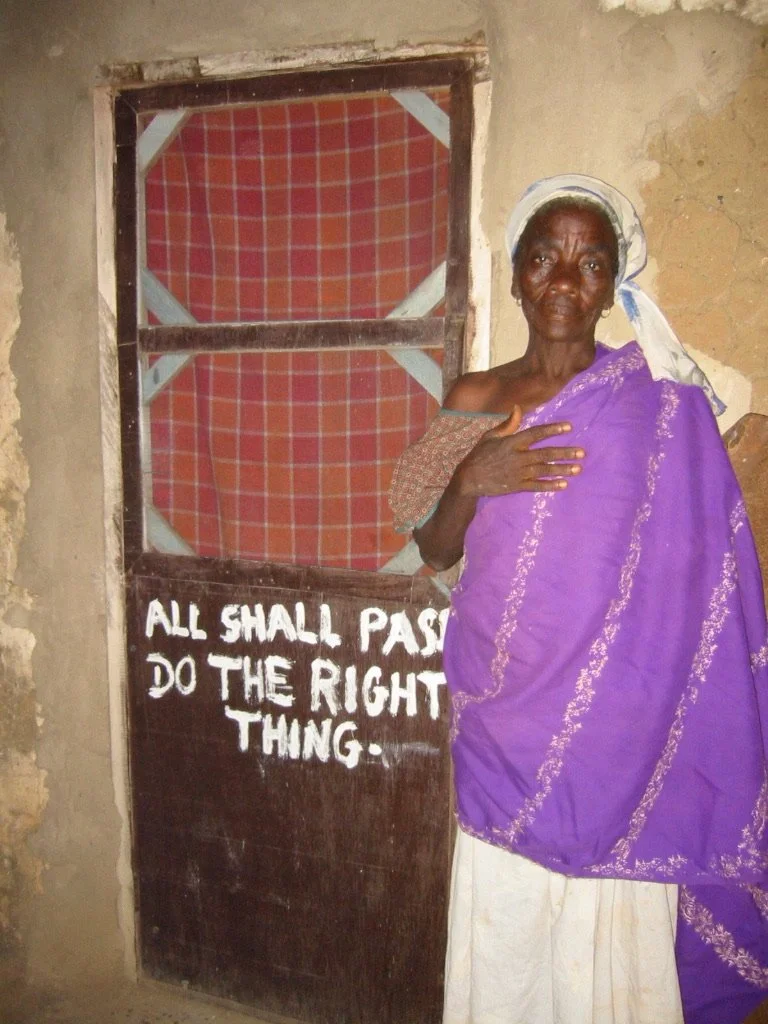
She was right. Back home my second guessing began – I nearly didn’t go back. The work ahead seemed impossible. But her words stayed with me. I sold my second car for seed capital to fund the program. Over the next decade, I returned 27 times. The results? Life-changing.

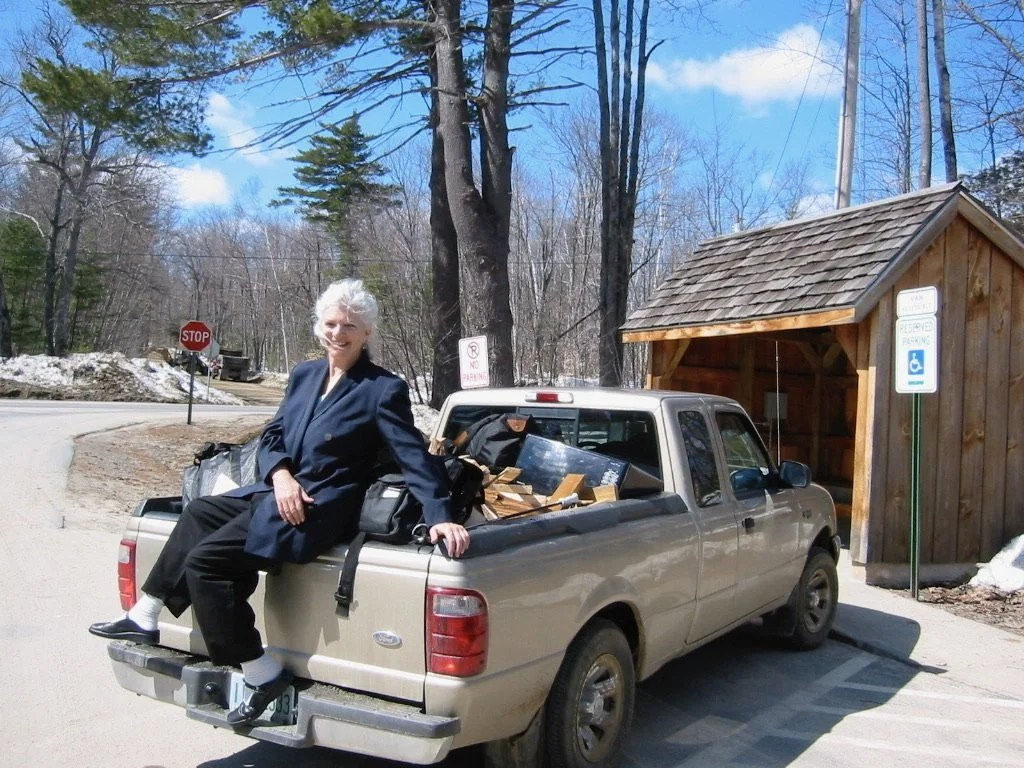
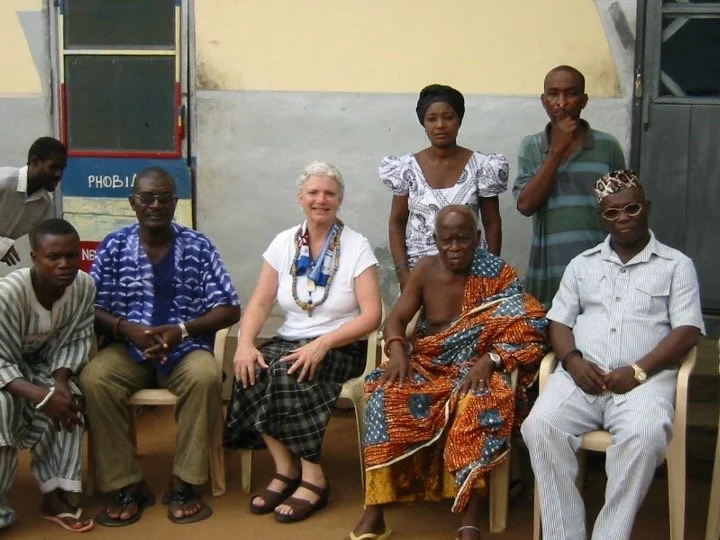
On my 60th birthday, I became a “bottom-up girl.” I had a yearning to begin what I called my return phase of life. The idea came to me whole: Go to Africa, find a village and start a microlending program. The country I chose was Ghana. One of my contacts forged the way to a village called Pokuase by talking to the chief who arranged a place for me to stay. In the second week of getting to know the community, an elder woman stopped me in the middle of the dirt road: “White people never come back. They make promises. We never see them again.”
Today, this bottom-up movement is growing.

We have a chance to define it — to show how it works to accomplish what top-down never could. We’re building tools and resources to help you get on the ground and take the first step to help communities get ahead. They are waiting for us.

Going bottom-up means starting at the ground level with a partnership model.
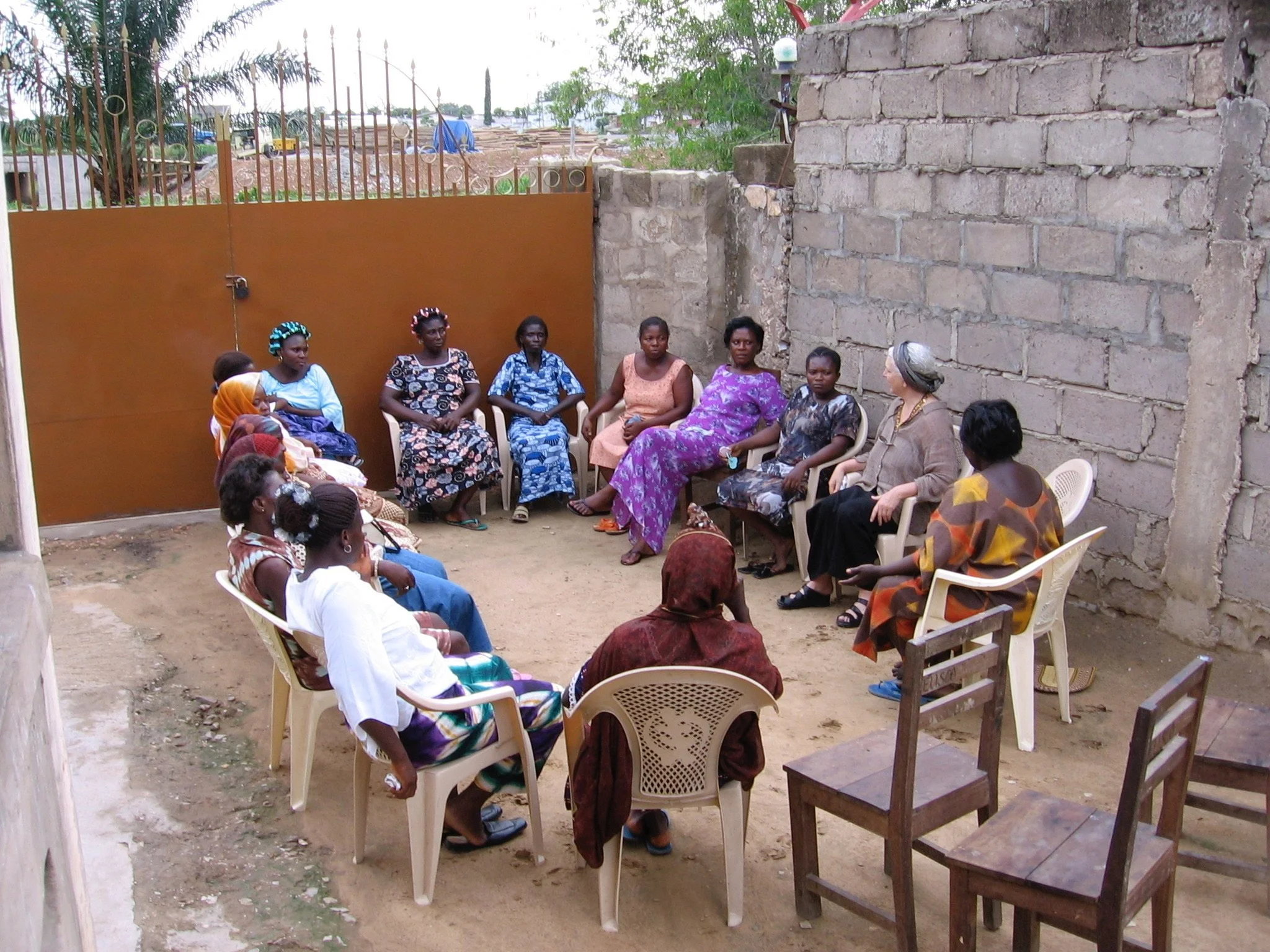
You provide access to essentials they lack: money, encouragement, recognition. They bring their dreams, drive and discipline. Together you create systems which lead to consistency and trust. Partnering with a shared can-do spirit leads to unstoppable momentum.

“The philanthropic landscape is shifting towards grassroots investing, recognizing its effectiveness in generating meaningful returns through real partnerships. This site is for bottom-up innovators with philanthropists willing to share the risk, emphasizing the importance of evaluating social-change initiatives as serious investments.”

“Marketing is a verb. Your story is the vessel.”

            Your biggest marketing asset is your unfolding story.  Start with quantitative and qualitative research. Prepare a balance sheet: what are your strengths, your weaknesses, both real and perceived. Collect facts to use in proving your strengths and countering weaknesses or — nirvana — find one piece of evidence that does both at the same time. Explore: What are you good at? What do you love to do? In marketing parlance, this is called “positioning your product.” This all melds into your essential core story that can evolve over time.

“There is no such thing as no momentum.”

            Let no message lie on the page, have a purpose for all you say. Figure out where you are and what you’re up against relative to the marketplace. Then adapt your message to your constituency of followers. In my work with some of the greats in institutional investing, I developed a system to help them know when to shift their messaging; understand why to shift; and identify the strategy to drive momentum rather than chase it. This same system can work for you.

“Know the language to play the game.”

            The world of going bottom-up is highly entrepreneurial. Expect it to evolve quickly, with new models and ideas emerging to propel and measure success. Prepare to collect an inflow of new words and concepts, often adopted from other fields, as the push grows for more resilience and impact working on the ground. This new language, if shared, will guide us to new rules of thumb, more creativity and greater market transparency.

my story

my method

my lexicon